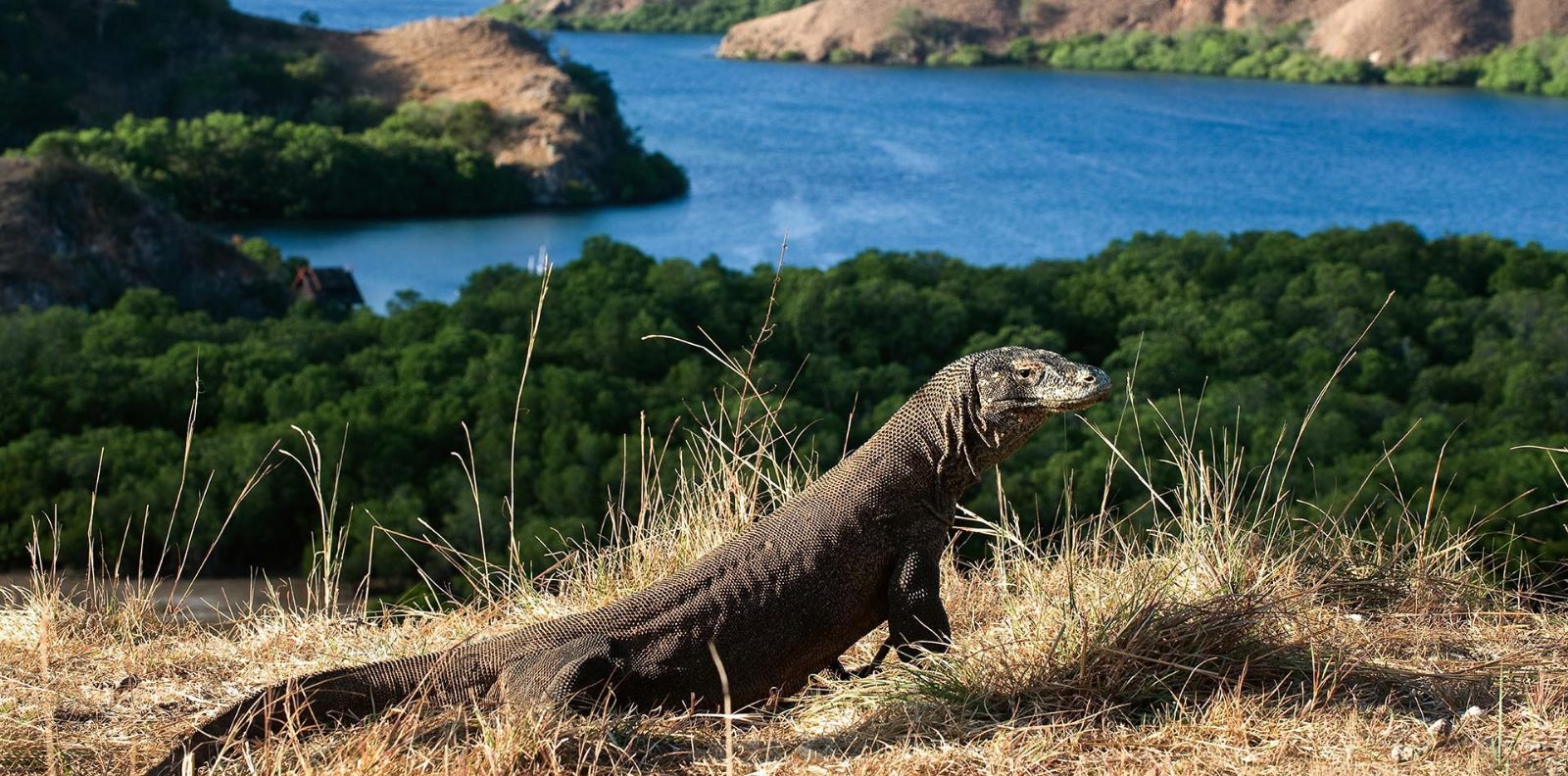
Komodo Dragon Habitats
The primary trekking areas on Komodo and Rinca islands where visitors observe wild Komodo dragons in their natural savannah environment.
Follow ranger instructions and stay on marked paths during observation.
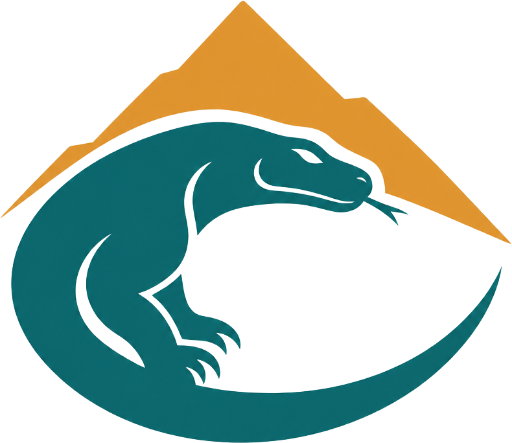
Every boat that leaves Labuan Bajo carries someone quietly asking whether the crossing justifies the early alarm and the fee. The honest answer depends on three things: your timing, your tolerance for heat, and what you expect a wild reptile encounter to look like. This komodo island travel guide sets out the trade-offs before you commit a day to it.
Quick answer
For most travellers, yes. Komodo National Park is open 06:00–18:00 every day of the week, and a single well-timed visit delivers wild Varanus komodoensis sightings, ranger-led trekking and reef snorkelling that exist nowhere else on earth. The caveat is heat and crowding: arriving after mid-morning turns a rewarding trek into a queue, which is why the 06:00–10:00 window matters so much.
The Komodo dragon was unknown to science until 1910, when a Dutch colonial officer sent a skin and a photograph to the botanical gardens in Bogor. Locals on Flores and the surrounding islands had lived alongside the animals for centuries. That gap between local knowledge and global recognition still shapes the visit: this is a working conservation area within a UNESCO World Heritage site, not a wildlife attraction built for viewing convenience. So the practical question of whether is komodo island worth visiting turns on expectations. Visitors arriving from Labuan Bajo, West Manggarai Regency, in East Nusa Tenggara reach a landscape of dry savannah, lontar palms and steep volcanic ridges — closer to northern Australia than to the rainforest most people picture. Dragons are wild and unfenced. Rangers carrying forked staffs lead every group along marked trails, and sightings depend on the season, the hour and the animals themselves. Short, medium and long trekking routes exist on both Komodo and neighbouring Rinca, with Loh Liang and Loh Buaya serving as the main ranger posts. Below the waterline, the case is less ambiguous: the Coral Triangle currents that make the strait difficult for boats also make it one of the richest marine environments in Southeast Asia, with manta rays at Manta Point and reef systems around Pink Beach that would justify the trip on their own. The strongest argument against comes down to logistics rather than the park itself. A Komodo National Park day tour is long, exposed and weather-dependent, and midday heat on an open ridge is punishing. Travellers who treat it as a checklist stop tend to leave disappointed; those who plan around the early window and pair the trek with snorkelling almost never do. Anyone still weighing whether is komodo island worth visiting should read this alongside the dedicated timing, cost and access sections on this site, then confirm current conditions with the park authority at komodonationalpark.org before booking a crossing.
“Dragons are wild and unfenced — the park runs on rangers, marked trails and patience, not on viewing platforms.”
The optimal time to visit Komodo National Park is during the early morning hours, specifically the 06:00–10:00 arrival window. This timeframe allows visitors to mitigate the impact of peak midday heat and avoid the congestion that frequently affects popular trekking trails.
Dry and warm 25°C–32°C; lush landscape. These months offer clear skies and manageable humidity levels after the rainy season.
Dry and windy 25°C–30°C; rougher seas. This is the peak season for international visitors, resulting in increased traffic on main trails.
Hot and dry 27°C–34°C. These months provide stable sea conditions for diving and snorkeling excursions.
—; cooler than afternoon hours. Arriving between 06:00 and 10:00 ensures a quieter experience before the arrival of afternoon tour groups.
Verdict: For the most favorable conditions, plan your visit for April or October, targeting the 06:00–10:00 arrival window on a weekday.
Komodo National Park contains distinct ecosystems that support rare wildlife and unique coastal landscapes. These primary zones illustrate the biodiversity and geological significance that characterize the region.
The primary trekking areas on Komodo and Rinca islands where visitors observe wild Komodo dragons in their natural savannah environment.
Follow ranger instructions and stay on marked paths during observation.
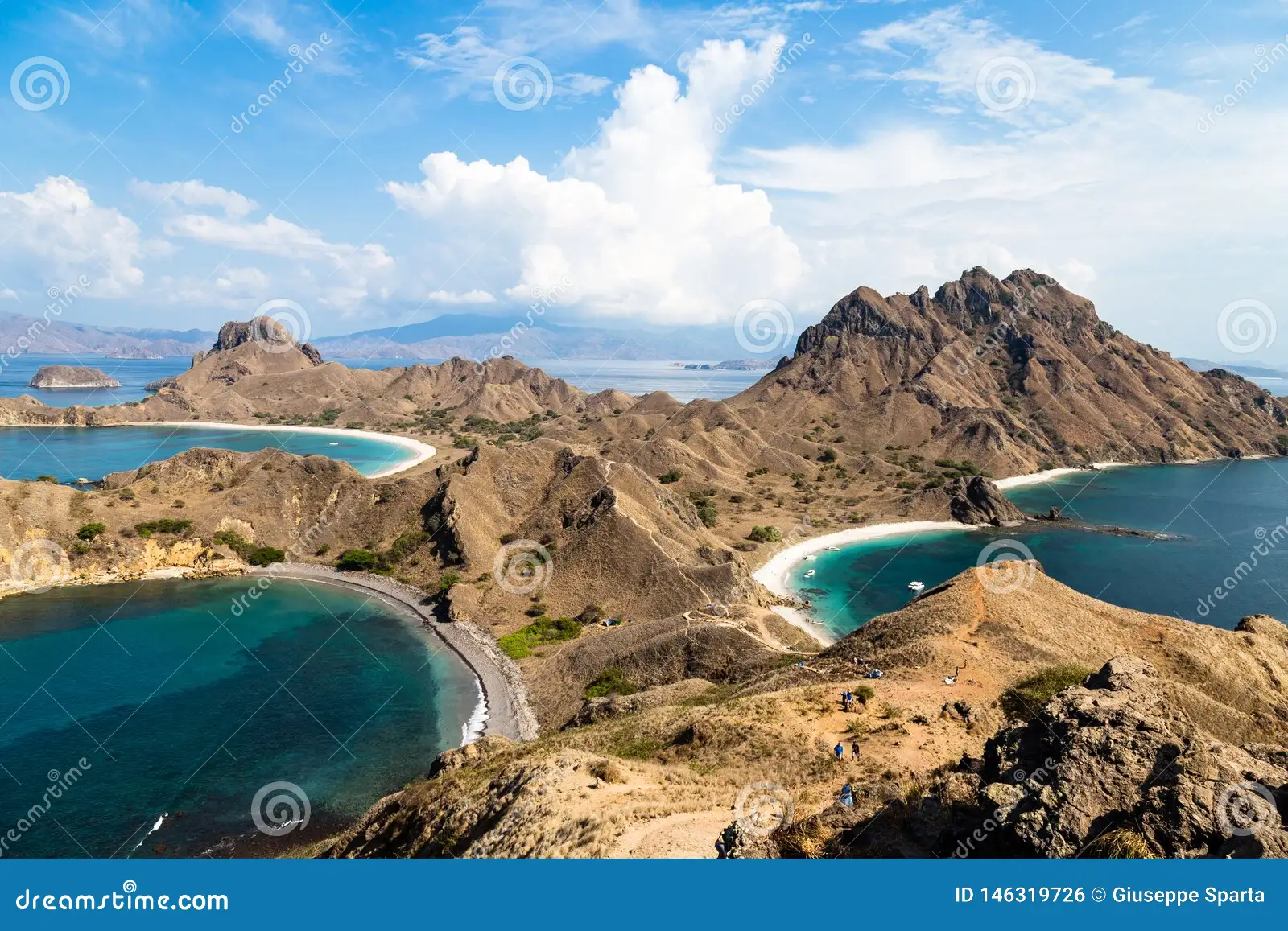
A high-elevation vantage point offering views of three distinct colored bays—white, black, and pink sand beaches.
Hike early to the summit for a clear view of the bays.

A coastal stretch recognized for its pale red sand, caused by microscopic foraminifera mixing with white coral fragments.
Visit during low tide to see the pink coloration clearly.
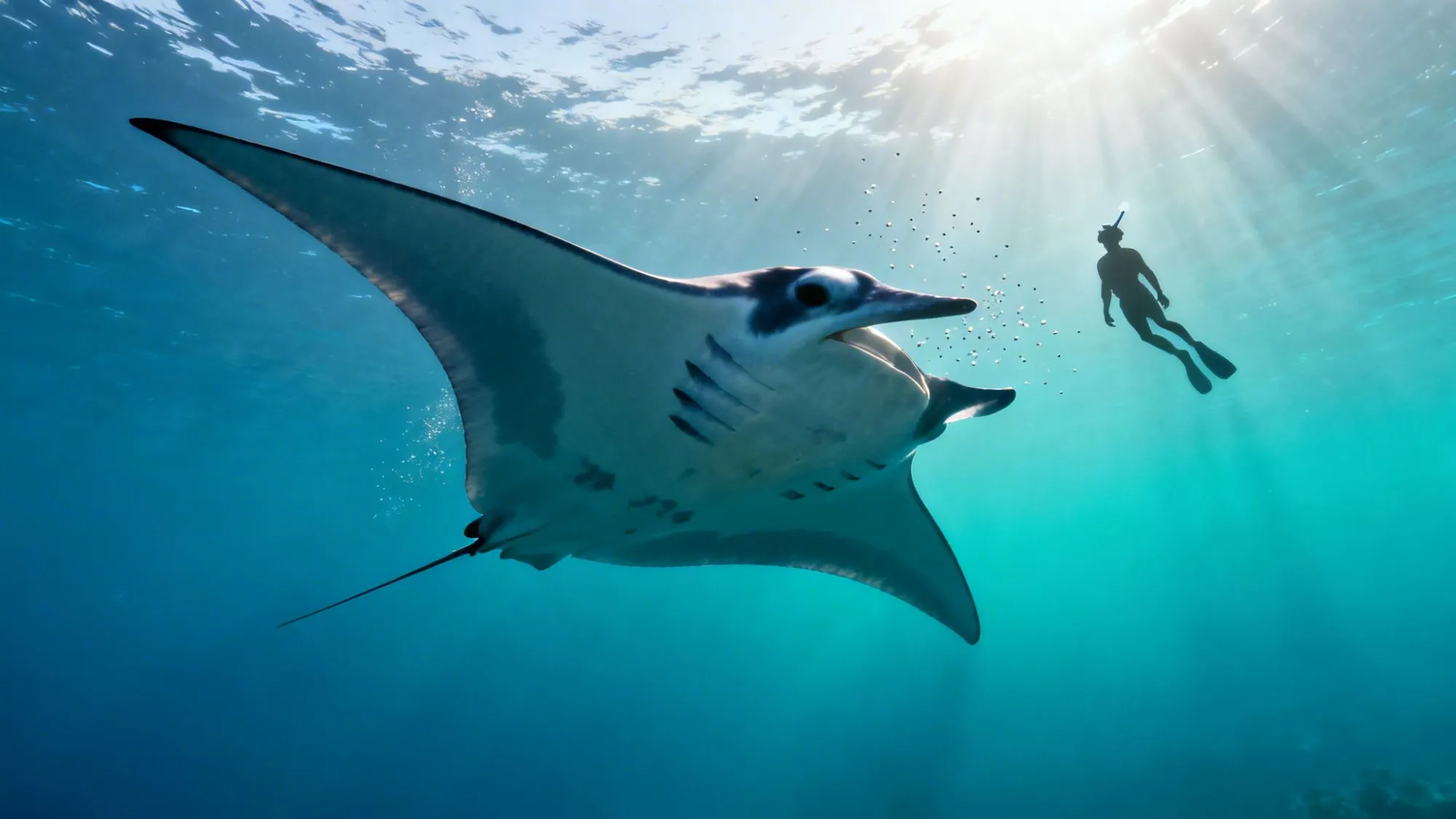
A marine area in the park where manta rays congregate near the surface due to nutrient-rich currents.
Observe from the boat deck to spot movement beneath the water.
Komodo National Park operates on a consistent daily schedule throughout the year to accommodate visitors. The park remains accessible seven days a week.
Komodo National Park is located in the West Manggarai Regency, East Nusa Tenggara, Indonesia. The primary gateway for all visitors is the town of Labuan Bajo.
Departure from Labuan Bajo Harbor to Komodo Island
Travel to Labuan Bajo (LBJ) Airport
Domestic flight to Komodo Airport (LBJ) in Labuan Bajo
Plan to arrive at the park between 06:00 and 10:00 to avoid peak midday heat and high visitor congestion on popular trekking trails.
Komodo dragons are wild predators, and the park's reefs and trails sit inside a protected UNESCO reserve where visitor behaviour directly affects both safety and habitat. Rangers set the rules on every trek, and following them keeps the encounter controlled and the ecosystem intact.
Everything you need to know about is komodo island worth visiting
Travelers seeking rare biodiversity and unique ecosystems often find that the answer to is komodo island worth visiting is a clear yes. The park offers an opportunity to observe the world's largest lizards in their natural, protected environment.
To avoid peak heat and high visitor congestion on popular trekking trails, the best arrival window is 06:00–10:00. Planning your visit for these early hours ensures a more comfortable experience as you explore the park landmarks.
The marine park entry fee is 250,000 IDR per person per day for international visitors. This fee is a standard requirement for accessing the park, and you can plan your budget accordingly.
The park is open daily from 06:00–18:00 to accommodate wildlife monitoring and visitor schedules. Please keep these hours in mind when organizing your transport from Labuan Bajo.
Deciding if komodo island worth visiting with family depends on your children's interest in wildlife and ability to handle tropical heat. While the experience is educational, the terrain can be rugged, so careful preparation is essential.
The most common mistake is arriving late in the day when the reptiles are less active and the temperature is at its highest. Understanding if komodo island worth visiting requires acknowledging that morning arrival is the key to a successful experience.
If you value UNESCO heritage sites and rare wildlife encounters, then considering is komodo island worth visiting is a logical step in your travel planning. The combination of endemic monitor lizards and marine biodiversity creates a distinct experience for those who appreciate natural wonders.
Komodo Island Day Tour from Lombok
Read more Tickets & toursKomodo Island Day Trip from Gili T
Read more Tickets & toursFull Day Komodo Island Speed Boat Tour
Read more GuideIs Komodo Island Open to Tourists?
Read more Tickets & toursKomodo Island Day Tour from Labuan Bajo
Read more Tickets & toursKomodo Island Day Tour from Bali
Read more Tickets & toursPrivate Komodo Island Day Tour
Read more